
When the world shut down in early 2020, travel became one of the first industries to feel the shock. Global tourism collapsed at a scale never seen before. The World Travel & Tourism Council (WTTC) reported a loss of almost USD 4.5 trillion in sector output during that first year, along with a drop of nearly half of all tourism-related GDP. Borders closed, airplanes grounded, and destinations that once thrived on international visitors fell silent.
Yet the pause reshaped more than movement. It shifted the values behind why people travel, especially at the luxury level, and set the foundation for the rise of sustainable luxury travel. As the sector regained strength and is projected to reach a record USD 11.7 trillion in global economic contribution in 2025, the motivations of high-end travelers look noticeably different. The pandemic recalibrated expectations, turning nature, privacy and cultural authenticity into the new language of refinement. Luxury began moving away from spectacle and toward intention, opening the door to a quieter, more conscious way of exploring the world.
Post-pandemic travel trends
When borders shut down and health restrictions reshaped movement around the world, travelers shifted their attention to nearby places. Local destinations, sustainable routes and close-to-home getaways became the new focus.
As global tourism paused, lesser-known regions started drawing attention. Natural reserves, quiet coastal areas and small historic towns suddenly stepped into the spotlight after years of being overshadowed by long-haul hotspots. Rural destinations faced a surge of visitors looking for open spaces, cultural heritage and calm environments. Many small towns had to adapt quickly to handle an unexpected wave of interest.
Rural Tourism Builds Momentum
This shift has continued. A recent CaixaBank Research report highlighted how rural tourism’s share of total travel spending rose from 10.9% in 2019 to 11.9%in the data available through mid 2023. Travelers now look for villages with character, sites with a distinct story and modest landmarks like squares or fortresses. The trend leans toward meaningful, low impact exploration over mass tourism and the problems it brings. Increasingly, affluent travelers now treat nature as a form of luxury, choosing landscapes that offer privacy, clarity and emotional space instead of overcrowded sights.
Global Luxury Data Confirms the Shift
Global luxury data supports this evolution. The WTTC reported that the global Travel and Tourism sector reached USD 10.9 trillion in 2024, surpassing pre pandemic levels. Fortune Business Insights valued the luxury travel market at USD 2.51 trillion that same year, with an expected growth rate above 8%. Research from WATG and the World Luxury Chamber adds another layer: more than 38% of luxury travelers are willing to pay a 30 to 50% premium for stays that demonstrate credible sustainable practices. Meanwhile, insights from Virtuoso point to rising demand among affluent clients for cultural immersion, meaningful experiences and travel choices aligned with environmental values.
Together, these figures show how the movement that began with rural and wellness-focused escapes has evolved into a broader redefinition of what luxury means worldwide. Spain’s rise in rural tourism mirrors a global pattern. Travelers with higher spending power increasingly look for places where nature, culture and intentional design intersect.
Return to nature
National parks saw a sharp rise in visitors, and this surge brought new life to local economies that previously relied heavily on international travelers. Periods of crisis often push people to rethink their priorities, and once restrictions eased, interest in nature-based tourism grew fast.
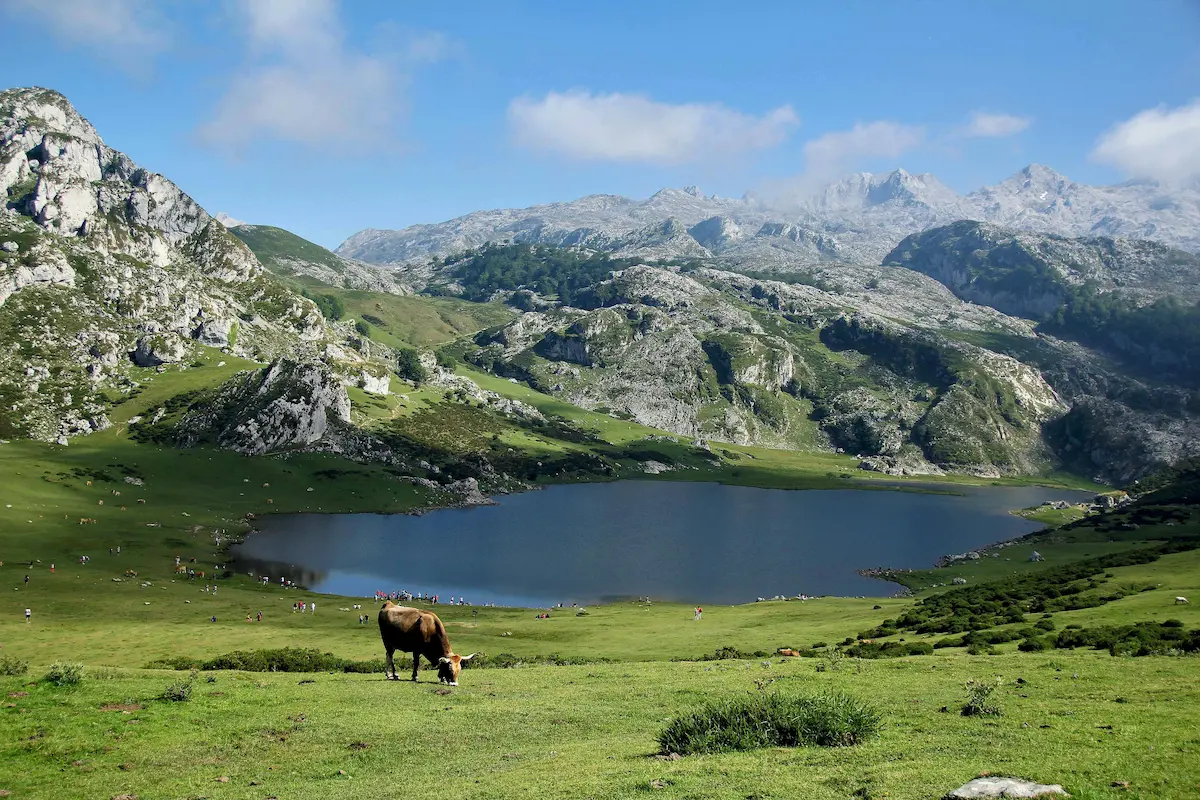
People wanted open air and striking natural landmarks. Data from the Ministry for Ecological Transition shows significant growth in visits to national parks such as Picos de Europa and Doñana during 2021 and 2022. This increase supported regions that had lost much of their foreign tourism.
The National Parks Network reported a low point of slightly above nine million visitors in 2020. The recovery accelerated, and by 2023 the total passed fifteen million again. Teide leads in popularity, followed by Sierra de Guadarrama and Picos de Europa.
This pattern is consistent with global luxury behavior. Affluent travelers have increasingly embraced nature as a source of exclusivity, a preference that now shapes many pillars of sustainable luxury travel. Wide-open spaces, protected landscapes and destinations that limit capacity align with their preference for privacy and low-density environments. This is especially evident in high-value travel markets where nature-led experiences, from hiking retreats to private conservation stays, form part of a new premium vocabulary built around well-being and authenticity.
Less crowded destinations
The pandemic accelerated an emerging shift toward alternative, rural and sustainable destinations. Over the past year, international travel has grown more dynamic as traditional hotspots reach maturity and awareness around sustainability and climate issues grows. A 2025 study by Simon-Kucher reported that 63% of Spanish travelers actively avoid destinations they perceive as overcrowded.
This shift has put new countries on the radar. Several European destinations that once drew little attention are now experiencing their own tourism boom. Slovenia and Georgia stand out, fueled by interest in cooler climates, natural landscapes and quieter spaces. Places like Slovenia’s Lake Bohinj have become key examples of this trend. According to the Statistical Office of the Republic of Slovenia, the country registered nearly 6.2 million tourist arrivals in 2023, an unprecedented record.
For luxury travelers, the appeal is clear. Less crowded destinations offer the qualities now associated with premium travel: more space, clearer connection to the surroundings, and experiences shaped by culture rather than commercial density. As global sustainability concerns rise, these locations are increasingly viewed as responsible alternatives to traditional mass-tourism circuits.
The rise of sustainable luxury travel
Slow luxury has become one of the defining movements of post-pandemic travel. Instead of fast itineraries and dense schedules, affluent travelers choose longer stays that allow them to understand a place rather than simply pass through it. The concept is rooted in pace, presence and emotional depth.
This trend parallels the rise of rural and nature-driven travel. Many of the same destinations attracting domestic visitors during the pandemic have also become attractive to high-end travelers who appreciate environments shaped by quiet rhythm and cultural expression. Slow luxury values architecture that belongs to its landscape, regional gastronomy, craftsmanship and rituals that reflect local identity.
This approach marks a shift in how exclusivity is perceived. Time, space and cultural insight become the true premium elements.
Eco-exclusive destinations
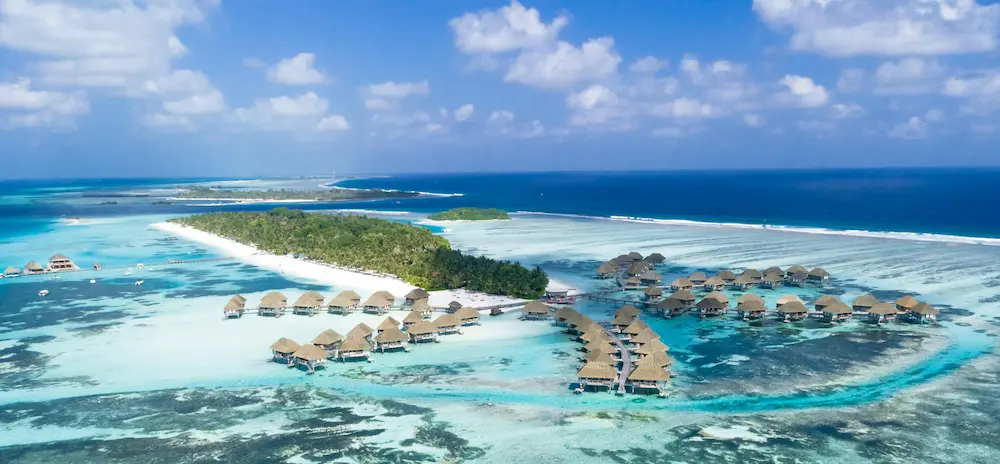
Another significant evolution in sustainable luxury travel is the emergence of eco-exclusive destinations. In these places, environmental integrity shapes the entire experience. Guest capacity is kept intentionally low, architecture draws on local materials and many properties adopt regenerative practices that help restore surrounding ecosystems. Together, these elements reflect the broader eco-luxury shift that is redefining high-end travel worldwide.
The Maldives, parts of Costa Rica, regions of the Mediterranean and pockets of Southeast Asia illustrate this trend in different forms. Across these destinations, sustainable architecture, community partnerships and low-density planning align with the preferences revealed by WATG and Virtuoso. High-end travelers reward destinations that balance privacy with responsibility and natural beauty with preservation.
Eco-exclusive destinations reflect a new hierarchy of luxury, one where environmental intelligence signals refinement, and where connection to nature is seen as a privilege rather than a backdrop.
Travel as personal growth
Post-lockdown travel habits revealed a clear shift. People started linking travel with personal development in a way that had not been as visible during the era of low-cost tourism. Global trend reports for 2025 show that about half of post-pandemic travelers now prioritize transformative experiences over traditional sightseeing. Demand for wellness retreats, hiking routes and eco-lodging stays continues to grow, reflecting traveler interest in sustainable luxury travel experiences. Meanwhile, a recent report found 60% of travelers interested in health-focused trips that support longevity and promote long-term personal well-being.
Five years after the pandemic, travel behavior has changed across the board. A global standstill opened the door to new preferences and projections show growing interest in environmentally and socially sustainable tourism. Awareness is higher, and travelers are more intentional about how and why they move. Some trips were postponed, some never happened, but the mindset that emerged continues to shape how people plan their journeys today.